
Early Dental Care
What Parents Should Know About Child Tooth Extraction
· kidsteethsc
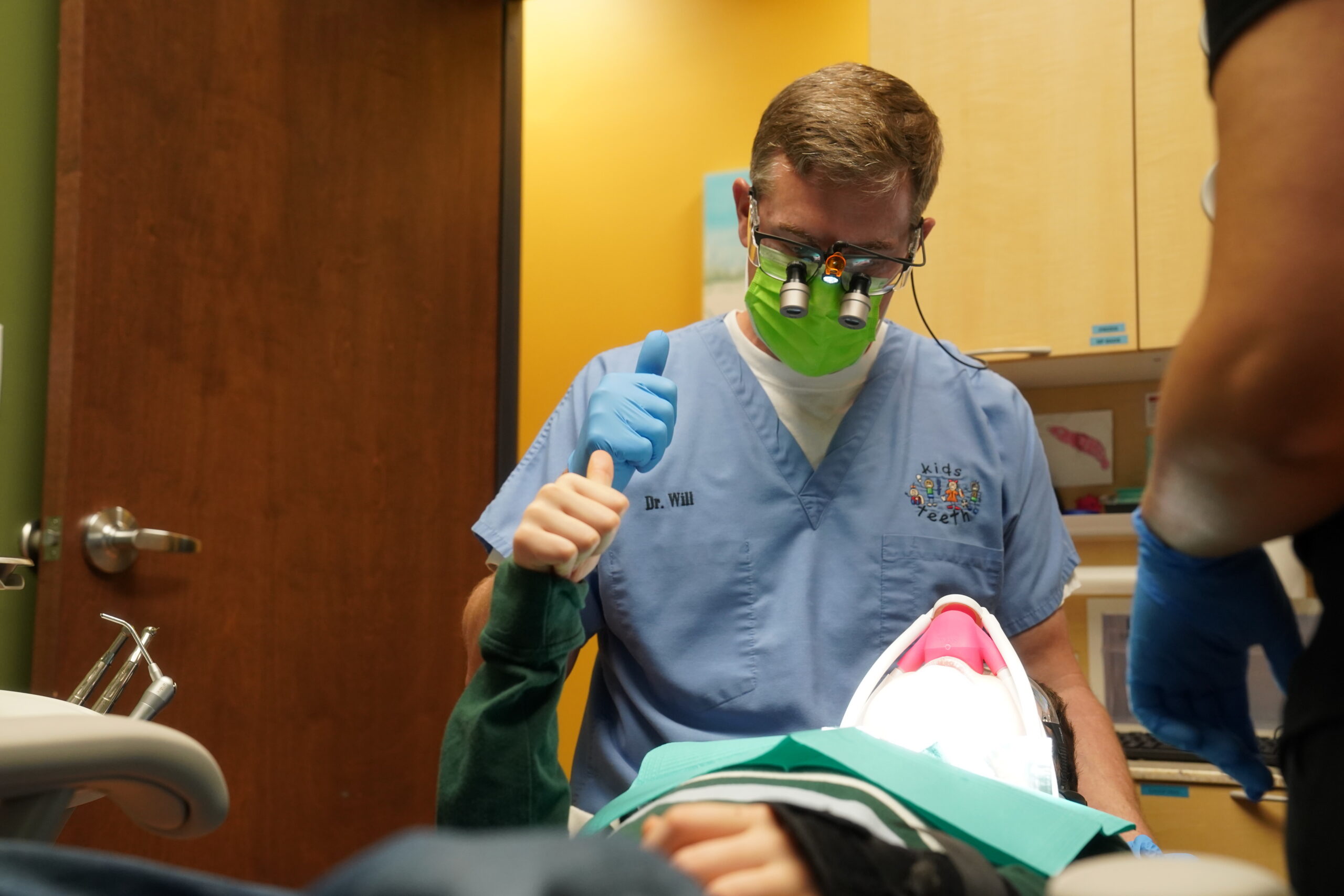
When Tooth Extraction Protects Your Child’s Smile
Child tooth extraction means removing a baby tooth or, in some cases, a permanent tooth from your child’s mouth. For many parents, that idea feels scary. The good news is that in pediatric dentistry, we work hard to save teeth first, and we only talk about extraction when it is the healthiest choice for your child’s growing smile.
At Kids Teeth, our goal is to protect your child’s comfort, oral health, and confidence. When we do recommend removing a tooth, it is usually to stop pain, clear infection, or make space so permanent teeth can grow in the right way. Knowing why an extraction might be needed, how the process works, and what healing looks like at home can help the whole experience feel calmer and more manageable for your family.
Common Reasons Kids May Need a Tooth Removed
Baby teeth are meant to fall out, but sometimes they need a little help. Here are some of the most common reasons we might suggest child tooth extraction.
- Severe decay or infection
- Trauma or broken teeth
- Orthodontic or space concerns
Severe decay or infection
When cavities in baby teeth are small, we often fix them with fillings or crowns as part of restorative pediatric dental care. If decay has gone very deep, the tooth may be:
- Causing ongoing pain
- Swollen or infected around the gums
- At risk of spreading infection to nearby teeth or tissues
In those cases, removing the tooth can protect your child’s overall health and comfort, especially if other treatment is no longer enough.
Trauma and broken teeth
Kids are active. Falls, sports bumps, and playground accidents can crack or break a tooth. Sometimes we can rebuild that tooth. Other times, if the root is damaged or the tooth is broken below the gumline, keeping it could cause pain or infection. When that happens, we may recommend extraction as the safest option so your child can get back to play without discomfort.
Orthodontic and space concerns
Baby teeth help guide permanent teeth into the right spots. If they do not fall out on time, or if there is crowding, permanent teeth may grow in crooked or turned. A planned extraction can help with:
- Making room for incoming permanent teeth
- Allowing teeth to erupt in better alignment
- Supporting future orthodontic treatment
In these situations, removal is part of a long-term plan to build a healthier bite and easier cleaning for your child.
How Pediatric Dentists Make Extractions Gentle and Safe
When we talk about child tooth extraction, we are thinking about much more than the tooth. We are thinking about your child’s feelings, comfort, and future dental visits too.
Kid-focused evaluation and planning
Regular preventive pediatric dental care and early infant oral care help us catch problems before they become emergencies. During visits, we:
- Check how teeth and jaws are growing
- Look for cavities and weak spots
- Review habits like thumb sucking or grinding
If an extraction might be needed, we discuss it with you, explain the reasons, and look at all options first.
Comfort and anxiety management
Many kids feel nervous about dental treatment, and that is okay. At Kids Teeth, we use a child-friendly approach, including:
- Simple, age-appropriate language to explain what we are doing
- Distraction with conversation, music, or movies where available
- Patient comfort and anxiety management options to help your child relax
Our goal is to build trust so your child feels safe, heard, and supported throughout the visit.
Advanced dental technology and techniques
Modern pediatric dentistry helps make extractions quicker and gentler. We use advanced dental technology, such as digital imaging, to see the tooth roots and surrounding structures clearly. This lets us plan the best way to remove the tooth with as little impact on nearby teeth and gums as possible, which often means smoother healing for your child.
What to Expect Before, During, and After Child Tooth Extraction
Knowing what will happen can take a lot of fear out of the process, both for kids and for parents.
Before the appointment
Before extraction day, our team will:
- Review your child’s medical and dental history
- Take X-rays if needed to see the roots and permanent teeth
- Explain any eating or drinking guidelines
We also invite you to share any worries your child has so we can plan extra support.
During the procedure
On the day of the extraction, we walk your child through each step in simple terms. Typically, the visit includes:
- Numbing the area with a local anesthetic so the tooth and surrounding gums feel “sleepy”
- Gently loosening the tooth with special tools
- Removing the tooth while your child feels pressure, but not sharp pain
We check in often, watch body language, and give breaks when needed. Our goal is a calm, steady experience from start to finish.
Aftercare and healing
Once you are home, good aftercare helps your child feel better faster. General tips often include:
- Biting gently on gauze for a short time to control minor bleeding
- Offering soft, cool foods like yogurt or apple sauce at first
- Avoiding chewing on the extraction side until it feels better
- Keeping the area clean by brushing nearby teeth gently and not poking the socket
Mild soreness is common for a day or two and usually improves quickly. If you notice heavy bleeding, swelling that gets worse, fever, or pain that does not improve, that is a sign to call the office for guidance.
Protecting Your Child’s Teeth After an Extraction
The story does not end once the tooth is out. We want to keep the rest of your child’s smile strong and healthy.
Maintaining strong neighboring teeth
After an extraction, the teeth next to the space need extra support. Ongoing preventive pediatric dental care is important. That usually means:
- Regular checkups
- Professional cleanings
- Fluoride as recommended by your pediatric dentist
These steps help protect enamel, lower the chance of new cavities, and support healthy gums.
At-home oral hygiene for kids
Good brushing and flossing routines at home make a big difference. Depending on your child’s age, we may suggest:
- Parents brushing for toddlers and preschoolers
- “Share the brush” routines with early elementary kids
- Teaching older kids to brush for a full two minutes, twice a day
Once the area has healed, your child can brush around the site like normal. We also like to coach kids so they feel proud and confident taking care of their own teeth.
Supporting long-term growth
After a child tooth extraction, follow-up visits let us monitor how permanent teeth are developing. We watch:
- How the space is holding
- Whether permanent teeth are moving into position
- If any extra guidance might be needed later
By keeping an eye on things as your child grows, we can adjust care plans to support a healthy, balanced smile that works well and feels good.
Help Your Child Feel Confident About Their Smile
If your child is anxious about treatment or you are unsure whether a child tooth extraction is necessary, we are here to guide you step-by-step. At Kids Teeth, we explain every option in simple, child-friendly language so you can make decisions with confidence. Reach out to our team with your questions or to schedule a visit through our contact us page. Together, we can protect your child’s comfort, health, and long-term smile.
Ready for a happier dental visit?
Two Mount Pleasant offices and a team kids actually look forward to seeing.