
Early Dental Care
Teething vs. Tooth Trouble: How Mt. Pleasant Parents Can Tell the Difference
· kidsteethsc
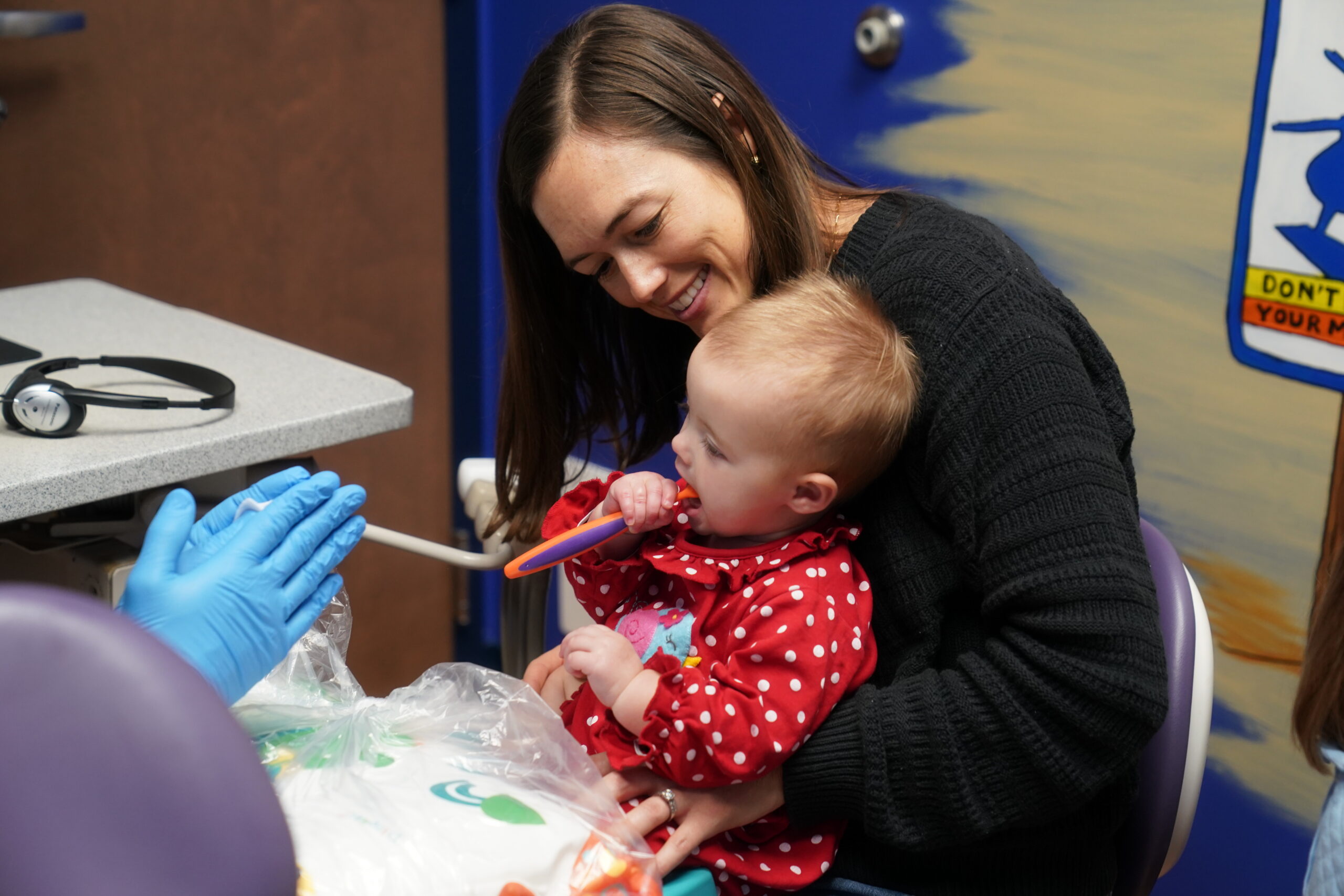
Teething or Trouble? A Simple Guide for Mt. Pleasant Parents
When a little one is fussy, drooling, and not sleeping well, it is easy to blame everything on teething. But sometimes what looks like normal teething is actually an early cavity starting to bother your child. Knowing the difference helps you keep your child comfortable and protect their smile.
Spring and early summer are busy for many Mt. Pleasant families. Travel, beach days, sports, and camp can throw off nap times, meals, and routines. During these changes, parents often notice new teeth coming in, or they spot a tiny spot on a tooth and wonder if it is something to worry about. Teething and early cavities in children’s teeth can look similar on the surface, but they need very different care. Our pediatric team is here to gently sort it out with you.
What Normal Teething Really Looks Like
Baby teeth usually start to show up around the first half of the first year, but there is a wide normal range. In general, teeth tend to come in this order:
- Bottom front teeth
- Top front teeth
- Teeth next to the front teeth
- First molars in the back
- Canines
- Second molars in the back
Most kids have a full set of baby teeth by the time they are a young preschooler. For each new tooth, the “ouchy” part usually lasts a few days on either side of the tooth breaking through the gums.
Common teething symptoms include mild gum swelling or a small bump where a tooth is coming in, more drooling than usual, and a stronger urge to chew on hands, toys, or anything they can reach. You may also notice short-term fussiness or clinginess, a night or two of more frequent waking, and a slight decrease in appetite for a day or so.
These symptoms come and go. They usually match up with where you can see or feel a new tooth on the gums. Your child may have a rough day, then bounce back to normal once the tooth pops through.
Teething should not cause your child to be seriously sick. Teething does NOT explain:
- High fever
- Severe facial or cheek swelling
- Refusal to eat or drink for more than a short time
- Rash around the mouth and body
- Lethargy or trouble staying awake
If you see these signs, your child may have something more than teething going on. That is a good time to talk with your pediatrician and let a pediatric dentist check your child’s mouth.
Early Childhood Cavities: Red Flags Parents Should Not Ignore
Cavities in children’s teeth can start earlier than many parents expect. The first signs are often small and easy to miss if you are not sure what to look for.
Visual signs that may point to early cavities include:
- Chalky white spots along the gumline that do not brush away
- Brown or black areas on the front or back teeth
- Tiny holes or pits in the enamel
- Chipping or rough edges on teeth that used to look smooth
Sometimes cavities are hiding between teeth where you cannot see them. In those cases, behavior changes can provide helpful clues. A child with a cavity might complain that “my tooth hurts,” even if they cannot point to the exact one, avoid chewing on one side of the mouth, pull away or cry with cold drinks, hot foods, or sweets, or wake at night and hold their cheek or point to their mouth.
The big difference from teething is how long the problem lasts. Teething tends to come in short bursts around new teeth. Cavity pain or sensitivity usually keeps coming back, or slowly gets worse over time. Early detection with a pediatric dental visit can often keep treatment simple, gentle, and less stressful for your child.
When to Call a Pediatric Dentist vs. Watch and Soothe at Home
Parents know their kids best, and your instincts matter. Still, clear guidelines can help you decide when it is time to get a professional look at your child’s teeth.
Call a pediatric dentist promptly if you notice:
- Tooth pain that lasts more than a day or two
- Visible brown or black spots, or holes in a tooth
- Swelling of the gums, cheek, or face
- Bad breath that does not improve with brushing
- Pain that wakes your child from sleep again and again
If teething seems mild and clearly matches a new tooth coming in, it is usually fine to watch closely and soothe at home. Many families find comfort measures like chilled (not frozen) teething rings or toys helpful, along with a clean, cool washcloth for chewing or gentle gum rubbing. You can also try a short, gentle gum massage with a clean finger, and use over-the-counter pain relievers only as directed by your pediatrician or pediatric dentist.
At our pediatric office, we focus on keeping children calm, informed at their level, and as comfortable as possible. We use kid-friendly language, behavior guidance, and modern tools to check what is causing the discomfort. If we find cavities in children’s teeth, we can talk through treatment options with you and plan care that fits your child’s age and needs.
Preventing Cavities Before They Start in Growing Smiles
Good habits early in life go a long way toward keeping your child cavity-free. Oral care starts before the first tooth ever appears.
For babies and toddlers, simple steps include:
- Gently wiping gums with a soft, clean cloth after feedings
- Brushing as soon as the first tooth appears with a soft, child-sized brush
- Using a tiny smear of fluoride toothpaste for babies and a small pea-sized amount for older kids, as directed by a pediatric dentist
- Lifting the lip regularly to look at the front teeth near the gums
Professional preventive care makes home care even stronger. Pediatric preventive services often include:
- Gentle dental cleanings to remove plaque and tartar
- Fluoride treatments to help strengthen enamel
- Dental sealants for older children to protect the grooves of back teeth
- Silver diamine fluoride (SDF) in select cases to help slow or stop early cavities
Daily habits also play a big role in preventing cavities in children’s teeth. In day-to-day life, that means limiting frequent sugary snacks and drinks between meals, offering water often (especially fluoridated tap water when it is available), helping your child brush twice a day and floss once a day, and keeping regular pediatric dental checkups so small issues are caught early.
Partner with Kids Teeth to Protect Your Child’s Smile
A child’s first dental visit is recommended by age one, or within six months of the first tooth showing. Early visits help your child get used to the dental office, and they give us a chance to support you with tips tailored to your child’s stage of growth. It is much easier to build healthy habits from the start than to fix big problems later.
At Kids Teeth in Mt. Pleasant, we focus on early infant oral care, oral hygiene education for kids, preventive visits, and gentle restorative care when cavities appear. Regular visits give us time to show you what normal teething looks like, point out any early signs of tooth decay, and answer questions about your child’s unique smile. When parents and pediatric dentists work together, children are more likely to grow up with healthy, confident smiles and less dental discomfort, season after season.
Protect Your Child’s Smile With Early Cavity Prevention
If you are concerned about cavities in children's teeth, we are here to help you take simple, effective steps now that make a big difference over time. At Kids Teeth, we focus on gentle prevention and education so your child can feel confident and comfortable at every visit. Schedule an appointment today so we can create a personalized plan that fits your family’s routine. If you have questions or want to book a visit, please contact us.
Ready for a happier dental visit?
Two Mount Pleasant offices and a team kids actually look forward to seeing.