
Emergency Dentistry
Kids’ Tooth Extraction Aftercare: Pain, Diet, Bleeding, Activity, When to Call
· kidsteethsc
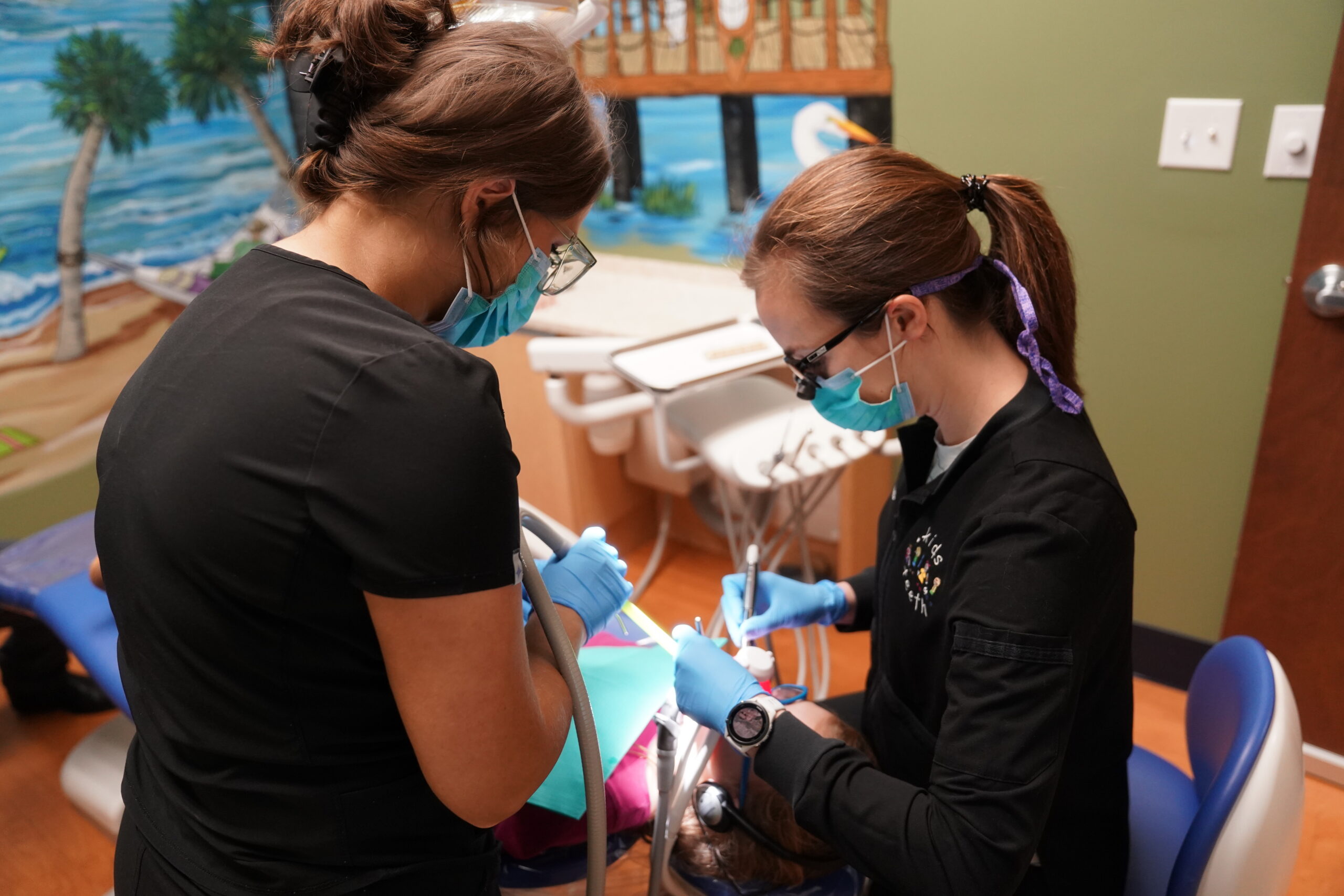
Helping Your Child Feel Confident After an Extraction
A child tooth extraction sounds scary, but it is simply the careful removal of a tooth that cannot or should not stay in the mouth. Kids may need one for several reasons, including crowding, deep decay, or injuries from falls and sports. For many families, the words “tooth extraction” bring a wave of worry.
Parents often ask about pain, bleeding, infection, and when kids can go back to school or sports. Those are all fair questions. With good aftercare at home and clear guidance from a pediatric dentist, most children recover faster and more comfortably than parents expect.
In this guide, we walk through what to expect after a child tooth extraction, including pain control, diet, bleeding, activity limits, healing timelines, and when it is time to call the dentist. Early spring in Mount Pleasant is busy with school, sports, and travel, so planning ahead can make the whole process feel smoother for your family.
Keeping Your Child Comfortable and Out of Pain
Some soreness after a child tooth extraction is normal. For a baby tooth, discomfort is often mild and usually improves within a day or two. For a permanent tooth, soreness can be stronger and may last a little longer, but it should still get a bit better each day.
Safe ways to help with pain often include:
- Over-the-counter children’s pain medicine, given exactly as your dentist and pediatrician recommend
- A cold compress or ice pack wrapped in a cloth on the cheek for short periods
- Quiet distractions like movies, books, simple crafts, or building toys
- Extra hugs and reassurance from you
We always stress following the specific instructions your child’s dentist gives you. Sometimes you may be told to give pain medicine before the numbness wears off, so your child stays ahead of the soreness. Aspirin is not recommended for children, so stick with the medications your dentist approves.
A few extra comfort tips:
- Use an extra pillow to keep your child’s head a bit raised the first night
- Gently remind your child not to poke the area with their tongue, fingers, or toys
- Help them brush the rest of their teeth with a soft, child-sized toothbrush, but skip the extraction site at first
Call the pediatric dentist if you notice any red flags, such as pain that gets worse after the second day, pain that does not improve with approved medicine, or pain along with fever or new swelling.
Smart Food and Drink Choices to Protect Healing
After a tooth is removed, a blood clot forms in the space where the tooth was. This clot is like a soft bandage that protects the bone and nerves while the gums heal. A soft, gentle diet helps keep that clot safe, especially for older kids who are at risk for a dry socket if it is disturbed.
Good foods for the first 24 to 48 hours include:
- Yogurt, applesauce, and pudding
- Mashed potatoes or soft pasta
- Scrambled eggs
- Smoothies eaten with a spoon, not a straw
- Lukewarm soups, not very hot
Try to avoid:
- Very hot food or drinks, which can make bleeding more likely
- Chips, popcorn, nuts, and other crunchy snacks that can scratch the area
- Spicy or acidic foods, like citrus and tomato sauce, that can sting
- Sticky or chewy treats, like caramels or gummy candy, that can pull on the clot
Encourage your child to drink plenty of water and low-sugar drinks. Skip straws and carbonated sodas for several days, since the sucking motion and bubbles can bother the site. After eating, gentle sips of plain water can help keep the mouth clear, unless your dentist gives different instructions.
Most kids can slowly return to a normal diet after a couple of days, starting with softer versions of their usual foods and chewing on the opposite side of the mouth. If you are not sure whether a food is okay, it is always fine to check in with your child’s dental team.
Managing Bleeding and Protecting the Extraction Site
A little bleeding or pink saliva is typical in the first few hours after a child tooth extraction. Saliva mixes with blood and can make it look like much more than it really is, which can be alarming but is often normal.
Here’s a simple way to help the area clot:
- Fold clean gauze into a small pad
- Place it directly over the extraction site
- Have your child bite down with firm, steady pressure for 20 to 30 minutes
- Replace the gauze and repeat if you still see light oozing
If mild oozing happens later, you can switch to a damp tea bag. The tannins in tea can support clotting. Keep activities calm, and encourage your child to sit upright instead of lying flat, which can increase bleeding.
Protect the clot by reminding your child:
- No forceful spitting
- No vigorous rinsing or swishing
- No sucking on fingers or the wound
- No straws for several days
Bleeding is no longer normal if gauze is soaking through quickly, if bright red blood keeps flowing, or if bleeding stops and then restarts in a strong way. In these cases, contact the pediatric dentist or seek urgent care right away.
Activity Limits, Back to School, and Sports Safety
Rest helps the body heal. On the day of the extraction, plan for quiet indoor play instead of running, jumping, or roughhousing. Simple activities like reading, puzzles, drawing, and extra snuggles are perfect.
Many kids are ready to return to school, preschool, or daycare the next day after a simple baby tooth extraction, as long as pain is under control and bleeding has stopped. It is helpful to let teachers or caregivers know about the dental work so they can keep an eye on things.
For sports and active play:
- Avoid strenuous exercise, gym class, and contact sports for a few days
- Remind kids not to bump or hit their mouth during play
- Once cleared by the dentist, make sure they use a well-fitting mouthguard for spring sports
Oral hygiene is still important while healing. Your child should:
- Gently brush other teeth as usual
- Skip brushing directly on the extraction site the first day
- Slowly reintroduce light brushing near the area once the dentist says it is okay
At bedtime, try to keep the normal routine so your child feels calm. Slightly raising the head with an extra pillow can help with comfort and reduce throbbing.
Clear Signs It’s Time to Call the Dentist
Most recoveries go smoothly, but it helps to know what is not normal. Contact a pediatric dentist promptly if your child has:
- Heavy or prolonged bleeding that does not slow with pressure
- Fever, or swelling that is new or getting worse
- Pus, a bad taste, or a strong foul odor from the mouth
- A rash, trouble breathing, or any sign of an allergic reaction
- Pain that gets stronger after the second day, or does not improve with approved medicine
Some things can wait for normal office hours, like mild sensitivity, small bruising on the cheek, or light soreness that is slowly getting better. Trouble breathing, trouble swallowing, or severe bleeding are emergencies and need immediate care.
Parents know their kids best. If something just does not look right, it is always better to call for guidance, especially in the first few days after a child tooth extraction. A good pediatric dental team will provide clear written instructions, friendly phone support, and follow-up when needed so you can feel confident about healing.
Help Your Child Feel Confident About Their Smile
If your child is facing a possible child tooth extraction, we are here to walk you both through every step with patience and clarity. At Kids Teeth, we focus on keeping your child comfortable while protecting their long-term oral health. Reach out today so we can answer your questions, explain treatment options, and schedule a visit. If you are ready to talk with our team, please contact us.
Ready for a happier dental visit?
Two Mount Pleasant offices and a team kids actually look forward to seeing.