
Early Dental Care
Kids’ Cavity Risk Factors: How Dentists Assess Risk and Plan Prevention
· kidsteethsc
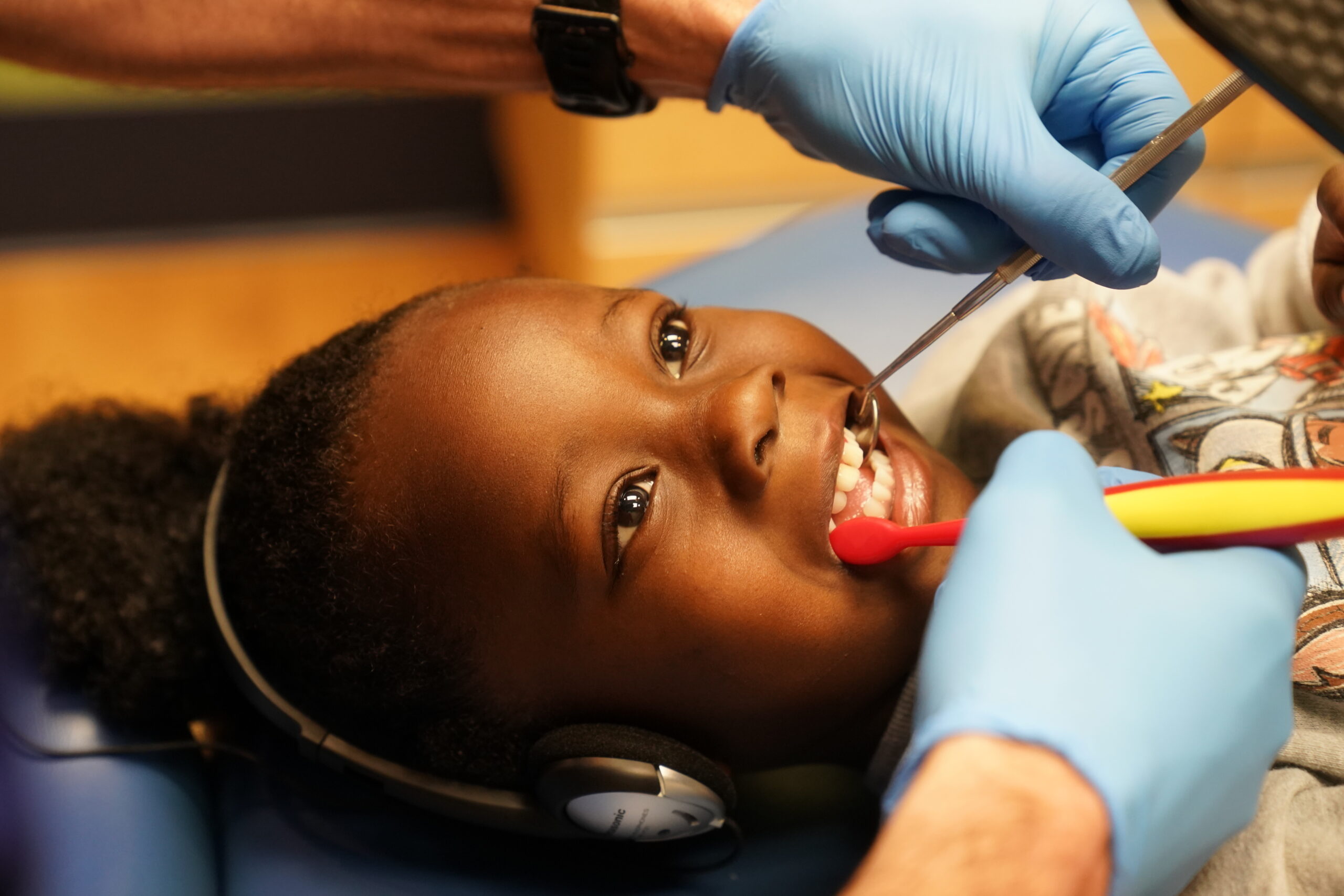
How Dentists Spot Trouble Before a Cavity Starts
A cavity in children's teeth is a soft, damaged spot where tooth enamel has been worn away by acids from bacteria. Kids are at higher risk because their enamel is still developing, their habits are changing all the time, and their mouths are growing quickly. If we wait until a cavity hurts, it usually means the damage has already gone pretty far.
Pediatric dentists use something called caries risk assessment. That is a fancy way of saying we look at your child’s whole mouth and daily routine to predict how likely they are to get cavities. Then we build a prevention plan that matches that risk level, instead of using a one-size-fits-all approach.
We pay close attention to four big risk factors: diet, dry mouth, braces and other orthodontic appliances, and family or genetic factors. Late summer and back-to-school time are full of snacks, sports drinks, and new routines, so it is the perfect moment to look at these risks and reset before classes begin. Knowing your child’s risk does not mean cavities are guaranteed; it means we can work together on simple, realistic steps to protect their smile.
Why Some Kids Get More Cavities Than Others
Kids are not all the same when it comes to risk of getting a cavity in children's teeth. When we look at your child, we think in three main “buckets”:
- The child’s mouth
- The child’s daily habits
- Outside or medical factors
In the mouth, we pay attention to enamel strength, saliva flow, plaque and bacteria, and whether we see early white spot areas, which are weak, chalky patches that can be the first sign of trouble. We also look for any current or past cavities. A child who has had cavities before is more likely to get new ones if nothing changes.
Daily habits matter a lot. We ask about:
- How often and how well your child brushes and flosses
- Fluoride exposure from toothpaste and water
- Snack and drink patterns
- Nighttime feeding or sipping on milk or juice
External factors include medical conditions, medications, family cavity history, braces, and any special needs that may make brushing and flossing harder. Parents’ and siblings’ cavity histories are very helpful clues, and we also ask about your home water source and how often your child drinks tap water.
We never see risk level as “good” or “bad.” It is simply a guide. It helps us decide how often your child should be seen, which preventive treatments to offer, and how closely we should coach home care.
Diet, Snacks, and Drinks That Drive Cavities
Bacteria in the mouth love sugar and simple starches. When kids snack often, those bacteria make acid that weakens the enamel and can lead to a cavity in children's teeth. How often your child eats or sips is usually more important than how much they have at one time.
Some common higher-risk foods and drinks, especially in summer and back-to-school season, include:
- Sticky fruit snacks, gummies, and chewy granola bars
- Crackers and chips that crumble and cling to teeth
- Sports and energy drinks
- Juice pouches and sweet teas
- Flavored waters that are sipped on all day
“Snackers” who graze from morning until bedtime keep their mouths in an acidic state for longer. “Meal eaters” who have food mostly at set times give their saliva a chance to wash acids away and repair enamel between meals.
You do not have to cut out every treat to lower risk. Small changes help:
- Choose plain water most of the day and after sports
- Save sweets for mealtimes when saliva is already flowing
- Offer more tooth-friendly snacks like cheese, nuts if safe for age, crunchy fruits and veggies, and unsweetened yogurt
- When possible, rinse with water or brush about 20 to 30 minutes after a sugary snack
When we talk with families, we ask detailed questions about what and when kids eat. From there, we can suggest simple “snack swaps” that fit your child’s age, activity level, and what they actually like to eat.
Dry Mouth, Braces, and Genetic Factors You Cannot See
Saliva is one of the body’s best tools against cavities. It washes away food bits, neutralizes acids, and brings minerals like calcium and phosphate to help repair early enamel damage. When a child has dry mouth, the risk of a cavity in children's teeth goes up.
Dry mouth can be linked to:
- Medications for allergies, ADHD, anxiety, or asthma
- Mouth breathing from allergies or large tonsils
- Not drinking enough water
- Certain medical conditions
Braces and other orthodontic appliances add another layer of challenge. Brackets, wires, and retainers create extra hiding places for plaque and food. Brushing and flossing takes more time and more careful technique. Kids with braces often need extra fluoride support and more frequent cleanings to protect the teeth around brackets and along the gumline.
Genetics and family factors also play a role. Some children have naturally softer enamel, deeper grooves in their molars, or a family pattern of more aggressive cavity-causing bacteria. If many family members have fillings, that can raise the child’s predicted risk too.
When we spot these hidden risk factors, we tailor care. That might mean suggesting special toothbrushes, floss threaders, or tiny brushes that fit around braces, encouraging saliva-friendly habits like frequent sips of water and age-appropriate sugar-free xylitol gum, or considering prescription-strength fluoride and more frequent checkups for kids with strong family histories of decay.
How Pediatric Dentists Build a Personalized Prevention Plan
During a cavity risk evaluation, we bring together everything we have learned about your child. We review medical and dental history, talk about diet and home care, and complete a careful exam. We may use low-dose digital X-rays when they are appropriate for your child’s age and risk level, which helps us see between teeth and under the surface.
From there, we usually think in terms of low, moderate, or high risk.
- Low risk: routine checkups and cleanings, regular fluoride toothpaste, sealants as needed, and cheering on the good habits you already have.
- Moderate risk: may include in-office fluoride varnish, closer focus on snacking patterns, early sealants on molars, and shorter intervals between visits.
- High risk: more frequent visits, prescription fluoride toothpaste or rinses, more detailed dietary changes, and close monitoring of any early white spots.
Prevention also looks different at each age:
- Infants and toddlers: help with bedtime bottles and sippy cups, wiping gums and brushing first teeth, using the right amount of fluoride toothpaste, and managing frequent snacking.
- School-age kids: brushing and flossing coaching, sealants, fluoride treatments, sports mouthguards, and planning ahead for braces if needed.
- Teens: handling more independence, sports drinks and coffee habits, vaping and oral health risks, and caring for braces or retainers.
The plan works best as a partnership. The dental team, your child, and you each play a role. Often, it is the small daily changes at home that make the biggest difference in preventing new cavities and keeping your child’s smile healthy and comfortable all year long.
Protect Your Child’s Smile With Prompt, Gentle Care
If you are concerned about a cavity in children's teeth, we are here to help your child feel comfortable while we protect their long-term oral health. At Kids Teeth, our pediatric team focuses on early, conservative treatment and clear guidance for parents. Schedule a visit today so we can address any issues quickly and help your child build healthy habits for life. If you have questions before booking, please schedule your appointment for more information.
Ready for a happier dental visit?
Two Mount Pleasant offices and a team kids actually look forward to seeing.