
Early Dental Care
Guide to Sealants for Kids and How They Prevent Cavities
· kidsteethsc
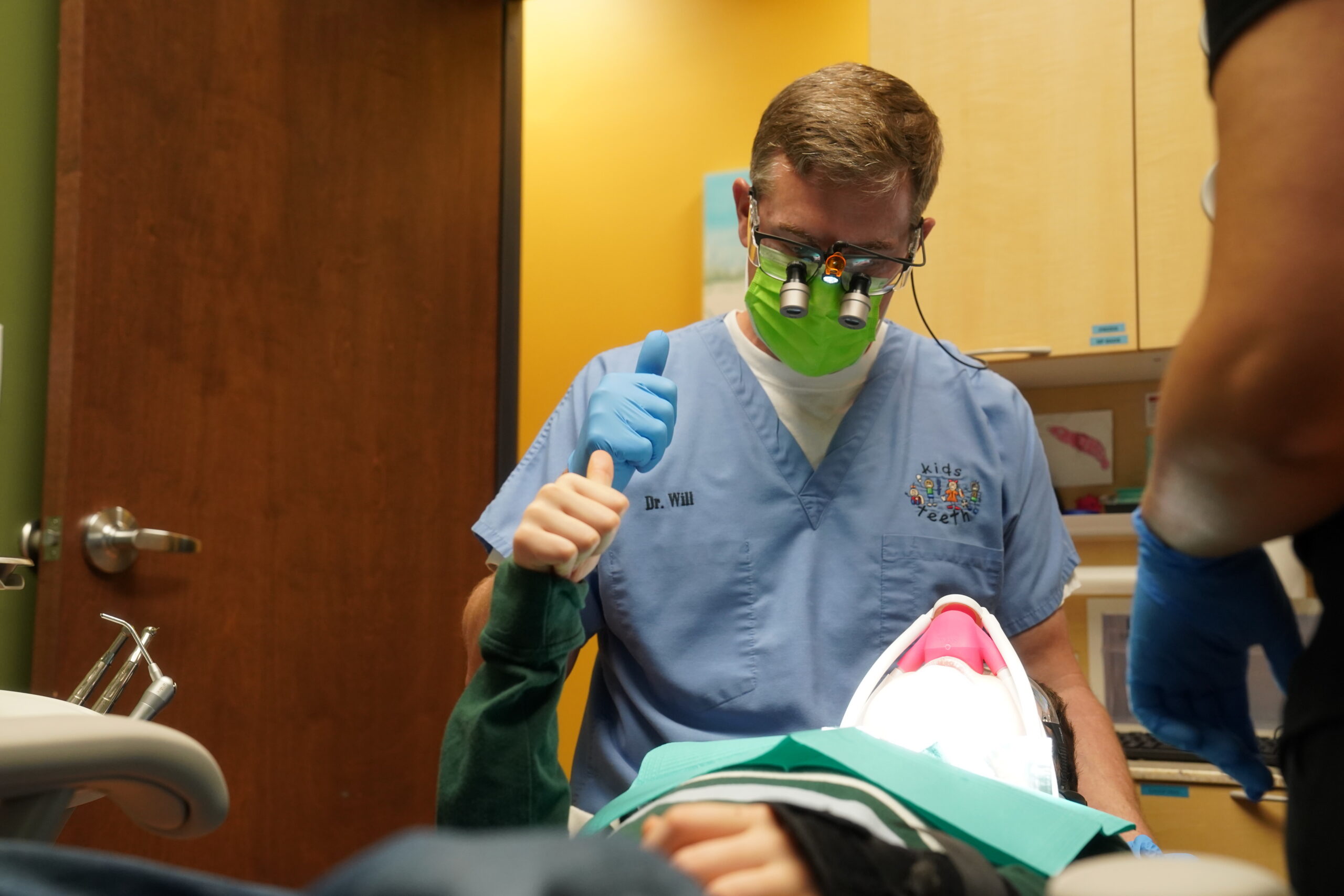
Helping kids build strong dental habits while they're young sets them up for a lifetime of healthier teeth. But even regular brushing and flossing sometimes need backup, especially for those hard-to-reach back teeth. That’s where sealants for kids come in.
Sealants act like a little shield over the chewing surfaces of teeth, especially molars, where food and plaque tend to collect. They don’t replace brushing and flossing, but they do lower the risk of cavities starting in the first place.
In this guide, we’re walking through what sealants are, when they make sense for your child, how they’re applied, and how they fit into a bigger prevention plan. At our pediatric practice in Mt. Pleasant, South Carolina, we use sealants along with regular cleanings and checkups to help protect kids' smiles as they grow.
What Are Dental Sealants and How Do They Work?
Trying to keep every tooth squeaky clean can be tough, even with regular brushing. Back molars in particular have small grooves and pits that easily trap food and bacteria. While toothbrushes do a decent job, they often miss the deepest areas of these surfaces.
That’s where sealants help. A sealant is a thin, protective layer that goes over the tops of molars. It fills in those tricky grooves so food can't stick as easily and bacteria can’t hide out. They work kind of like a raincoat for the chewing surface of the tooth, keeping out plaque and sugar.
We usually apply sealants to a child's permanent molars, especially the first and second molars that appear around ages 6 and 12. Those are the teeth that will stick around for life, so giving them extra support early can make a difference in the long run.
When Dentists Recommend Sealants for Children
Not every tooth needs a sealant, but many do. We usually start thinking about them when a child’s permanent molars first come in. That’s often around age 6 for the first ones, and again around age 12 for the second set. Timing really matters. Catching cavity-prone areas before decay starts puts kids in a better spot.
Molars that have deep grooves or natural pits are often at higher risk for cavities. Even with careful brushing, those areas can stay sticky or hold onto tiny bits of food. If we spot those early, sealants can help smooth out the surface and make cleaning way easier.
It’s not just about what we see in one visit. Sometimes, we track how teeth are developing over time. If a tooth keeps collecting plaque or seems more vulnerable, we’ll often suggest putting on a sealant as an extra layer of protection.
Sealants are also useful for children who may have early signs of enamel wear or a previous history of cavities. By adding this extra layer onto newly erupted molars, dentists can strengthen the defenses those teeth have against daily chewing and biting. Parents may hear recommendations for sealants after discussions about food choices, brushing struggles, or if their child is simply entering an age where back molars tend to need more attention.
What to Expect During a Sealant Appointment
Sealant appointments are fast, simple, and kid-friendly. There’s no numbing, no drilling, and usually zero stress. We start by cleaning the tooth really well, drying it off, and placing a thin gel on the chewing surface for a few seconds to prepare it. After rinsing and drying again, we gently paint on the sealant and shine a special light to help it harden.
The whole process takes just a few minutes per tooth. Many kids say it feels like getting a little paintbrush tickle on their back teeth.
Because our spaces are designed with kids in mind, most children feel relaxed throughout the visit. At our two Mt. Pleasant locations, we focus only on infants, children, and adolescents, so sealant visits are planned around what helps kids feel calm and comfortable.
Before the sealant is applied, your child might be invited to ask questions about the process or even see some of the tools that will be used, like the curing light or special brushes. This helps demystify the visit, making it easier for anxious children to feel in control. Many families are surprised at how quickly the appointment finishes, and kids are often proud to share with friends and family that their teeth have a special layer of protection.
After the appointment, children can return to normal eating and drinking right away. There is no recovery period needed, and kids do not have to modify their routines, although we always recommend avoiding extremely hard, sticky, or chewy foods that can dislodge or wear down the sealant. If your child is concerned about the new texture on their teeth, reassure them that the smooth feeling is a sign the sealant is in place and doing its job.
How Sealants Fit into a Child’s Cavity Prevention Plan
Sealants are helpful, but they’re just one part of a kid’s complete oral care routine. To really keep decay away, it takes a few simple steps done consistently at home and at regular visits.
Here’s how parents and kids can help sealants last and work their best:
- Brush twice a day with a soft-bristle toothbrush and fluoride toothpaste
- Floss between teeth once a day to keep the spaces clean
- Avoid super sticky snacks that can pull at sealants, like gummy candies and caramel
- Visit the dentist every six months for checkups, we’ll keep an eye on how the sealants are holding up
Sealants aren’t permanent. With regular wear and tear, they might need touch-ups or reapplying. But with good home care and check-ins, they can last for several years and often do their job quietly without much hassle.
During checkups, your dentist will monitor the condition of each sealant and provide guidance if repair or reapplication is needed. Parents should watch for any chipping or wearing away of the sealant surface, if part of a sealant looks missing or your child describes a rough spot on a molar, your dentist can easily fix it during a future visit. Being proactive with questions and updates helps sealants provide the best long-term benefit.
Sealants are generally safe, and their materials are designed not to affect the way food tastes or how teeth feel after treatment. Most insurance plans cover dental sealants as preventive care, especially for children, making them a practical step for most families. Combining sealants with ongoing care creates a strong defense against cavities and minimizes worry during the years kids are growing and active.
Building Smiles That Last Through Every Season
Whether school is in full swing or spring break is around the corner, cavity prevention doesn’t take a break. Sealants for kids help stop small problems before they start, especially during busy seasons when sweet treats and snacks tend to pop up more often.
In a place like Mount Pleasant, South Carolina, where there’s no winter slowdown and kids stay active year-round, having that extra layer of protection can be a big help. We want children to be able to enjoy their time outdoors, on the playground, or wherever they’re headed without worrying about tooth troubles.
Adding sealants at the right time can support healthy habits that grow with your child. With a steady routine at home and regular check-ins during the year, it’s one more way we help protect smiles, even before a cavity starts. Our locally owned practice has been caring for local families since 1979, so we have seen how preventive steps like sealants pay off as kids grow.
Wondering how or when to get started with sealants for kids? Our friendly team is here to guide you through protecting your child's smile during busy times in Mount Pleasant, South Carolina. At Kids Teeth, we make every visit comfortable and stress-free whether it’s your child’s first sealant or just a routine checkup. Give us a call anytime to chat with us about your questions or to set up an appointment.
Ready for a happier dental visit?
Two Mount Pleasant offices and a team kids actually look forward to seeing.