
Early Dental Care
Understanding Child Tooth Extraction for Sports Injuries
· kidsteethsc
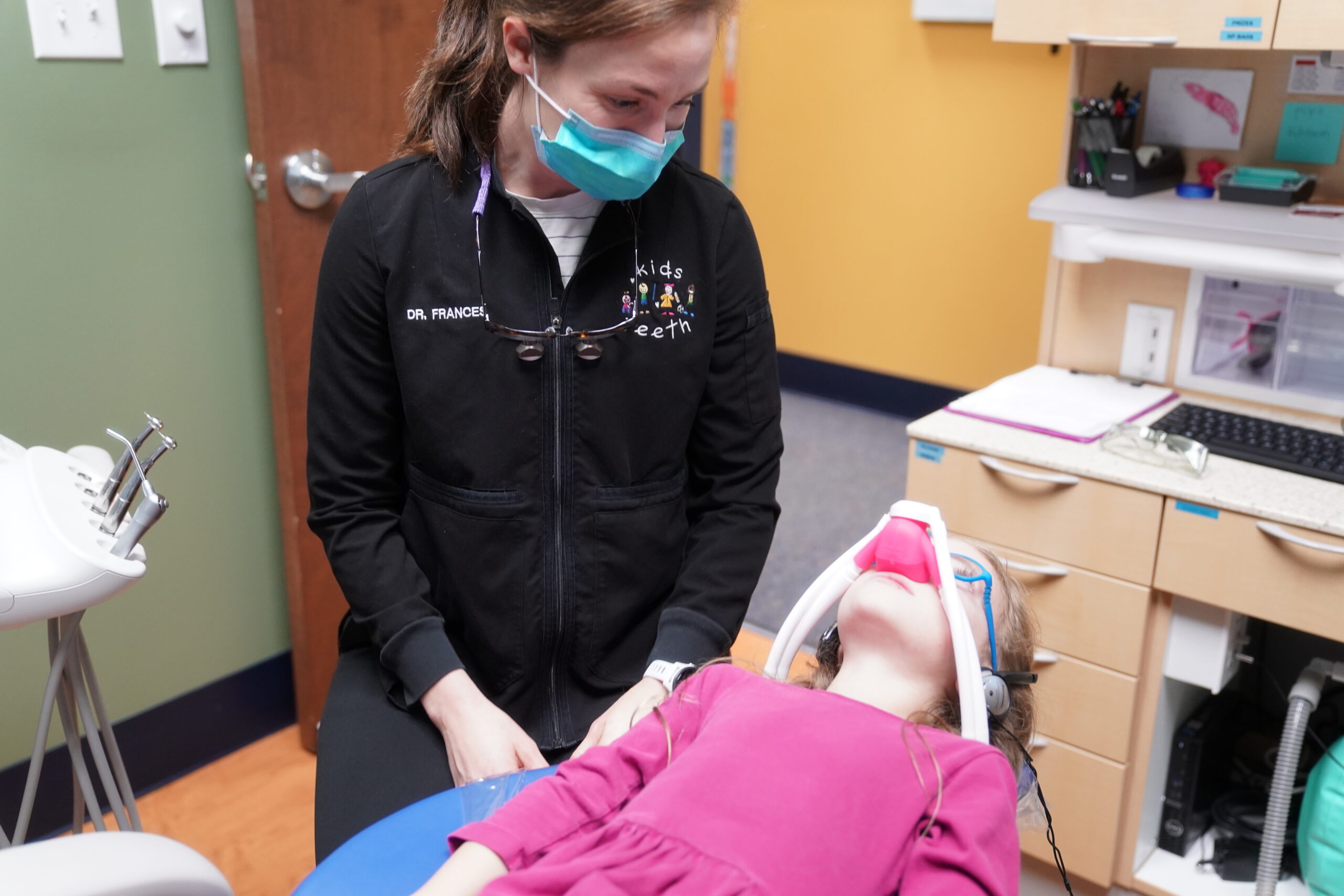
Understanding Child Tooth Extraction for Sports Injuries
Sports are a big part of childhood. Running, sliding, jumping, and kicking the ball are all great for growing bodies and minds. But fast play can sometimes lead to a hard hit to the mouth. When that happens, parents suddenly have a big worry on their hands: their child’s teeth.
In this article, we will walk through how sports accidents can hurt kids’ teeth, when child tooth extraction might be needed, what happens during the visit, and how to help your child heal. Our goal is to help you feel calmer and more prepared if your young athlete ever has a mouth injury.
When a Sports Injury Hurts Your Child’s Smile
Mouth and tooth injuries are common in kids’ sports, especially in contact and ball sports like baseball, softball, soccer, and basketball. A ball can bounce the wrong way, a teammate’s elbow can slip, or a child can fall face-first while running.
When this happens, it can feel scary. The good news is that pediatric dentists are trained to care for children during dental emergencies. We speak to kids at their level, move at a gentle pace, and focus on helping them feel safe.
Many injured teeth can be saved with quick care. Sometimes, though, a tooth is too badly damaged. In those cases, child tooth extraction may be the safest way to protect your child’s long-term oral health and comfort.
How Sports Accidents Damage Kids’ Teeth
A hit to the mouth can cause several types of dental injuries in children. Some are minor chips, and others are more serious.
Common sports-related injuries include:
- Chipped or cracked teeth
- Teeth that are knocked loose or pushed out of position
- Teeth that are fully knocked out
- Cuts to the lips, tongue, or inside of the cheeks
These injuries can affect both baby teeth and permanent teeth. Baby teeth may look small, but they still have roots and nerves. Permanent teeth have deeper roots and will stay in your child’s mouth for life, so we are especially careful with them.
A strong blow does not just affect the part of the tooth you can see. It can also hurt:
- The root of the tooth
- The nerve inside the tooth
- The bone that supports the tooth
- The gums and soft tissues around it
Right after the injury, parents might notice:
- Pain or your child refusing to bite down
- Bleeding from the gums or around a tooth
- Swelling in the lips or face
- A tooth that suddenly looks shorter, longer, twisted, or out of line
- A tooth that starts to turn gray or darker over time
Any of these signs mean your child should be seen by a pediatric dentist as soon as possible.
When Child Tooth Extraction Becomes the Safest Option
We know the idea of child tooth extraction can feel overwhelming. Our first goal is always to save the tooth if we can. But sometimes, keeping a badly damaged tooth can cause bigger problems later.
A pediatric dentist might recommend extracting a tooth after a sports injury if:
- The tooth is broken down to or below the gumline
- The root is cracked or split
- There is severe damage to the bone holding the tooth
- There is a strong risk of infection or abscess
- The tooth is very loose and cannot heal in a safe position
Treatment is different for baby teeth and permanent teeth.
For baby teeth, we think about:
- Protecting the developing permanent tooth underneath
- Keeping your child comfortable and infection-free
- Holding space for the future tooth with special appliances if needed
For permanent teeth, we focus on:
- Saving the tooth whenever possible
- Protecting jaw growth and future bite
- Planning long-term support from orthodontic care if needed
Extraction is never our first choice. We make this decision only after a careful exam, X-rays, and a full look at your child’s age, growth stage, and oral health.
What to Expect During a Pediatric Tooth Extraction
If your child has a sports injury, the first step is an emergency call to a pediatric dental office. When you arrive, the team will calmly assess your child, help control any bleeding, and comfort them.
Next, we will:
- Review what happened and when
- Examine your child’s mouth, teeth, and bite
- Take X-rays to see the roots and bone
- Explain the treatment options in simple, clear language
Comfort is the top priority in a pediatric office like Kids Teeth. To help kids feel relaxed, we may use:
- Numbing gel on the gums
- Local anesthetic to completely numb the tooth
- Sedation options, when appropriate, to reduce anxiety
- Gentle behavior guidance, such as distraction and positive language
During the extraction itself, your child should feel pressure, not pain. In kid-friendly terms, we might explain that we are “wiggling the tooth out” or “helping the tooth that got hurt go to sleep.” Most extractions are fairly quick once your child is fully numb. After the tooth is out, we place gauze over the area and give lots of praise and reassurance.
Helping Your Child Heal After an Extracted Tooth
Good home care after extraction helps your child feel better and lowers the chance of problems. We send parents home with clear, written instructions, but here are common tips you can expect:
Right after the visit, you will usually:
- Have your child bite gently on gauze to control minor bleeding
- Keep them from spitting or using a straw for a while
- Offer your child children’s pain relievers as directed by your dentist or pediatrician
- Choose soft, cool foods like yogurt, applesauce, or smoothies with a spoon
Normal healing signs can include:
- Mild swelling for a day or two
- Small spots of blood in saliva at first
- Tenderness when chewing on that side
Red flags that mean you should call the pediatric dentist include:
- Worsening pain instead of gradual improvement
- Fever or your child acting very unwell
- Increasing swelling in the face or jaw
- Foul odor or bad taste from the extraction area
After the area heals, your child’s dentist will keep an eye on the space and the rest of the teeth. They may suggest:
- Space maintainers to hold room for a permanent tooth after a baby tooth extraction
- Regular checks on how the bite and jaw are growing
- Orthodontic planning in the future if needed to keep teeth aligned
Smart Sports Protection to Prevent Future Tooth Injuries
Once your child has had a mouth injury, most families want to do all they can to avoid another one. A custom pediatric mouthguard is one of the best tools for that. It helps shield teeth, lips, cheeks, and jaws from the force of a hit or fall.
Compared with “boil and bite” guards from the store, custom mouthguards tend to fit better, feel more comfortable, and stay put during play. When kids like how something feels, they are more likely to actually wear it.
Spring is a natural time for families to:
- Refresh sports safety rules with their kids
- Replace mouthguards that are worn, chewed, or too small
- Plan a dental checkup before a busy sports season
It can also help to:
- Keep a small dental emergency kit in sports bags with gauze and a clean container
- Teach kids to tell an adult right away if they get hit in the mouth
- Make a pediatric dentist your first call when a tooth is chipped, loose, or knocked out
For families in and around Mount Pleasant, having a trusted pediatric dental home like Kids Teeth makes these stressful moments easier to handle. Knowing where to go and what to expect can bring a lot of peace of mind when it matters most.
Help Your Child Feel Comfortable and Confident About Dental Care
If your child might need a child tooth extraction, we are here to explain every step and make the experience as stress-free as possible. At Kids Teeth, we focus on gentle, age-appropriate care that keeps your child’s comfort and long-term oral health at the center of every decision. Reach out with your questions or to schedule an appointment through our contact us page so we can help your child smile with confidence again.
Ready for a happier dental visit?
Two Mount Pleasant offices and a team kids actually look forward to seeing.